Patented
The Double Bell Siphon.
A More Reliable Siphon
Pricing coming soon
Why a double bell
The Problem:
Flow Rates.
Two of the most common problems bell siphons have are failing when water is pumped in too quickly or too slowly
- Filter clogs or malfunctions and slows down
- Valves slip and flow speeds up
- Trouble tuning system as you set it up
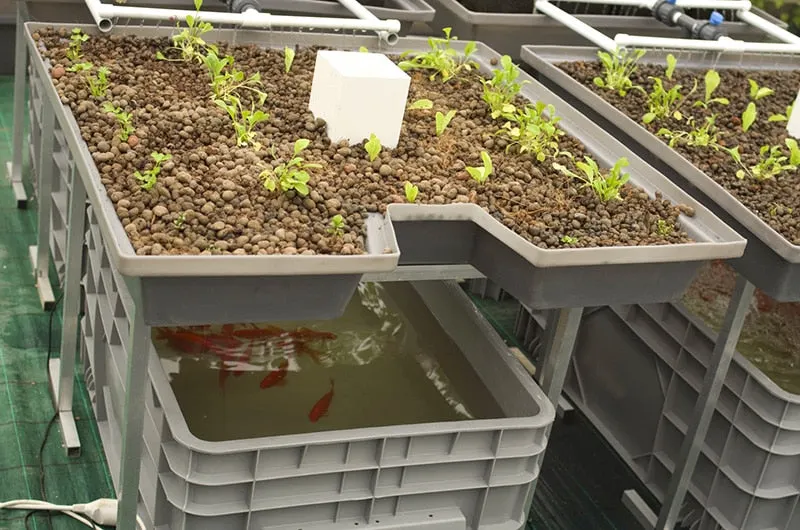
Why a double bell?
The Solution
The Double Bell Siphon Kit attacks the flow rate problem from both fronts: too high and too low flow rates.
The siphon itself works with higher flow rates due to its ability to let air in earlier, and the standpipe funnel allows for a lower flow rate
The Result? Increased reliability, meaning you can spend more time appreciating the results and less time worrying about it failing.
How it works
The Double Bell’s Process
Set your pump flow in the simulator below and watch the cycle play out.
Siphona 12″ 3:2 Double Bell Siphon
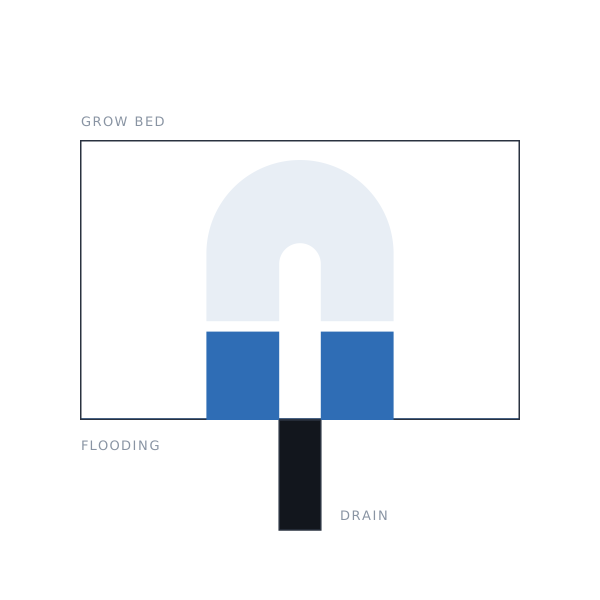
Set your pump flow and watch a 12″ gravel grow bed flood and drain. Whether it triggers and shuts off at each flow comes from our lab testing.
Drawn to scale from real IBC tote, concrete block and PVC sizes (standpipe size assumed). Based on Siphona lab testing of the 12″ 3:2 double bell in a 12″ bed with a 10″ flood line (2″ dry zone for plants) and a 1″ always-wet zone. Flood and drain times depend on your bed size and gravel. The quick moments when the siphon triggers and shuts off are shown in slow motion.
Specifications
The details.
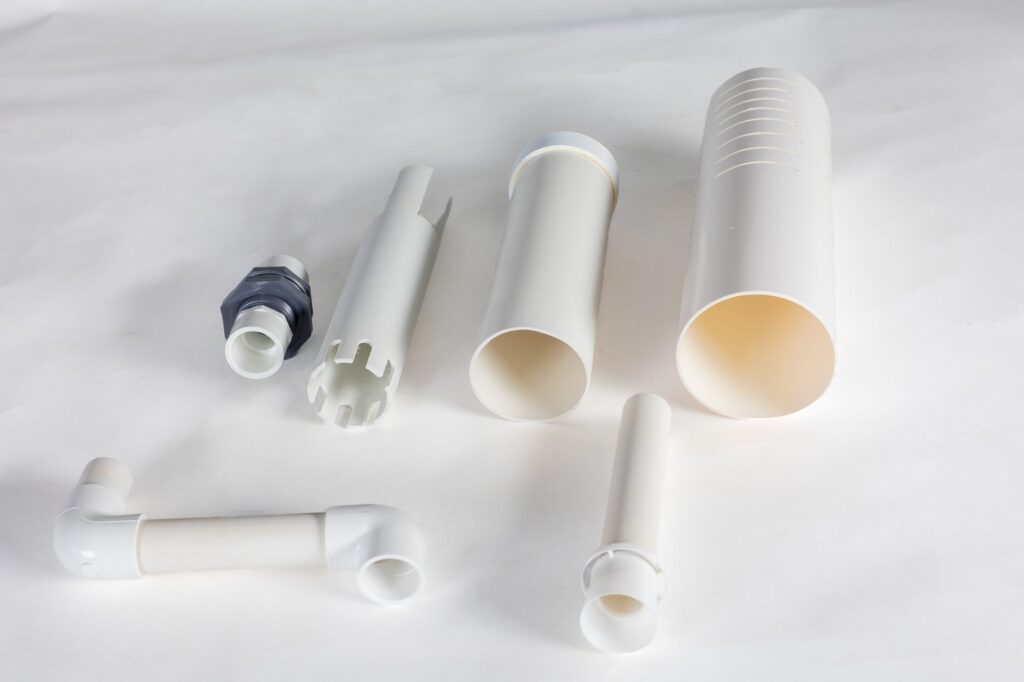
| Design | Double bell siphon with standpipe and media guard |
| Sizes | 12″ siphon |
| Bed depth | 7″ – 9″ / 11″ – 13″ |
| Recommended pump flow | Coming soon |
| Max flow rate (without flooding) | 50.49 L/min |
| Materials | PVC Schedule 40 Pipe |
| Fitting | Coming soon |
| In the box | Double Bell Siphon, standpipe, media guard, attachments |
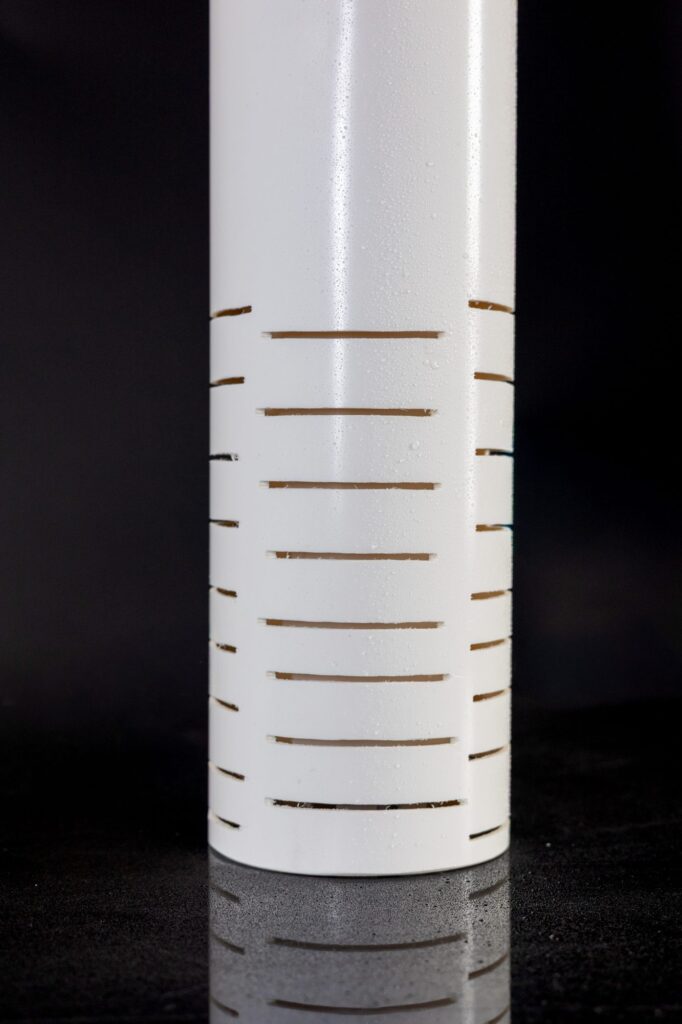
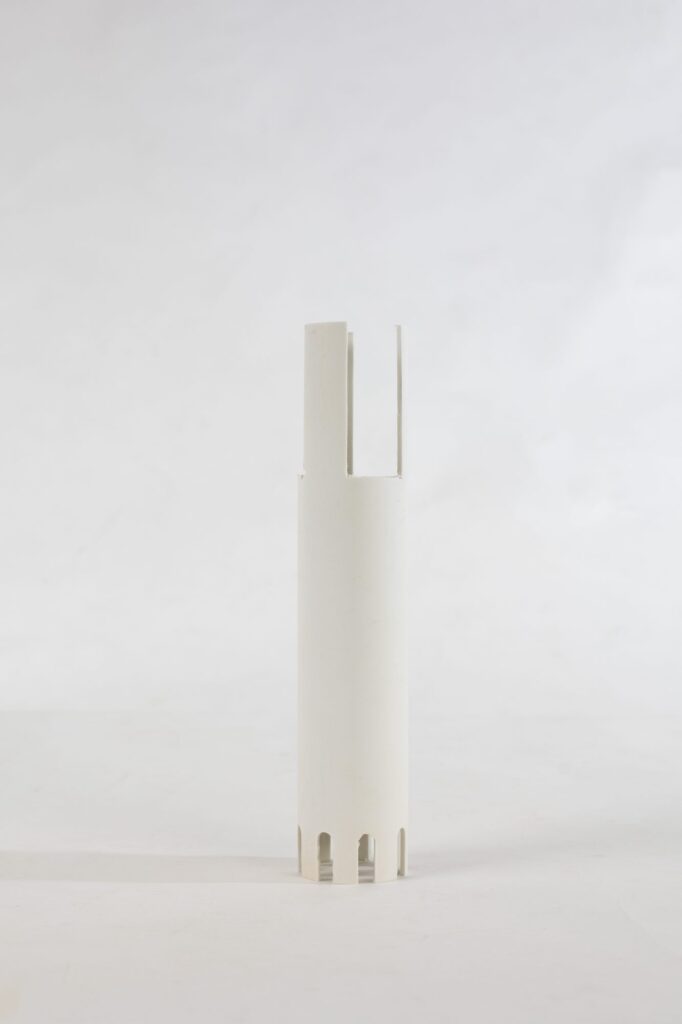
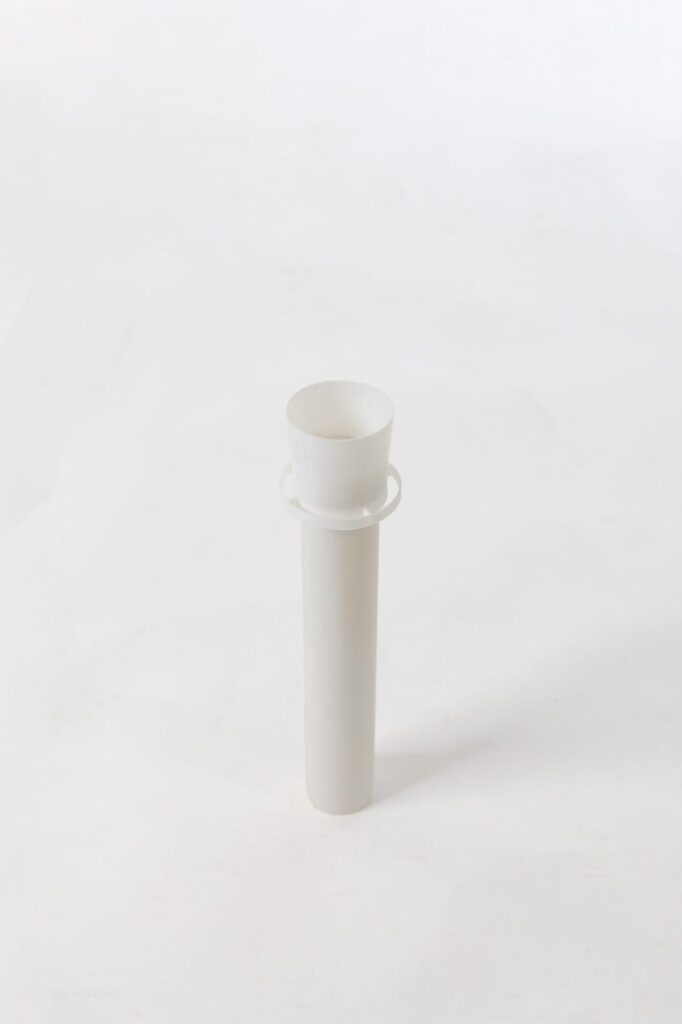
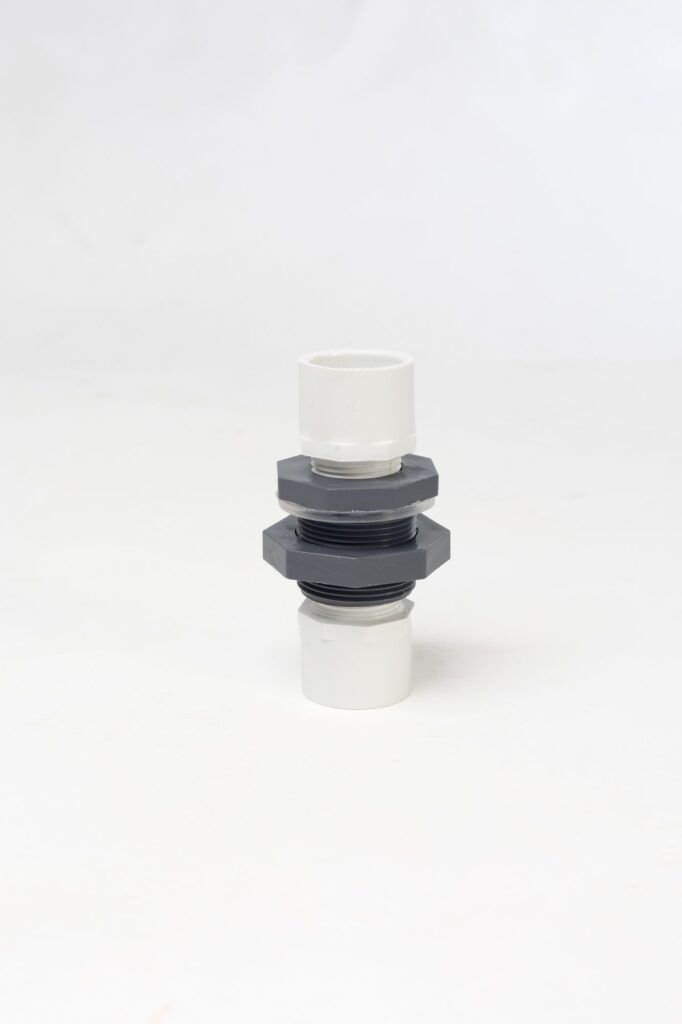
The lineup
Our planned lineup.
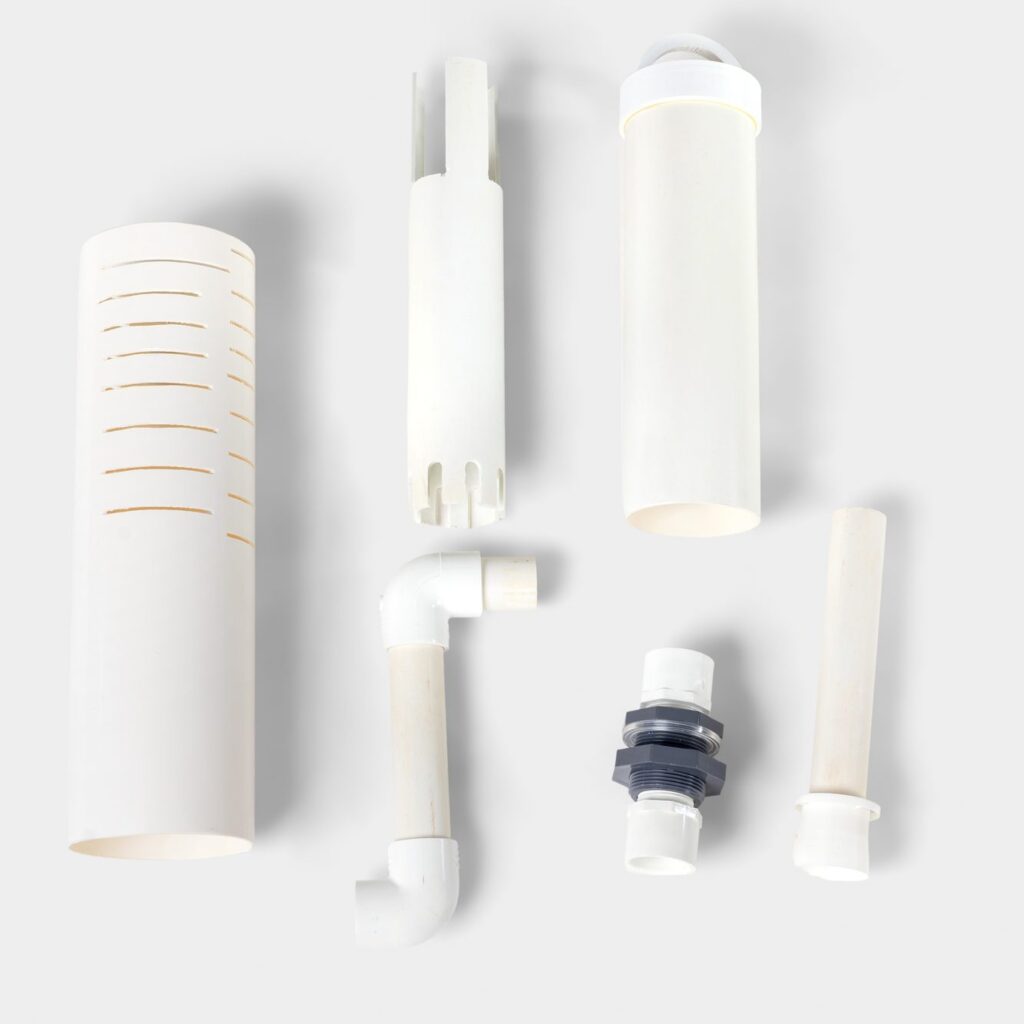
12″ Double Bell Siphon Kit
Pricing Coming Soon
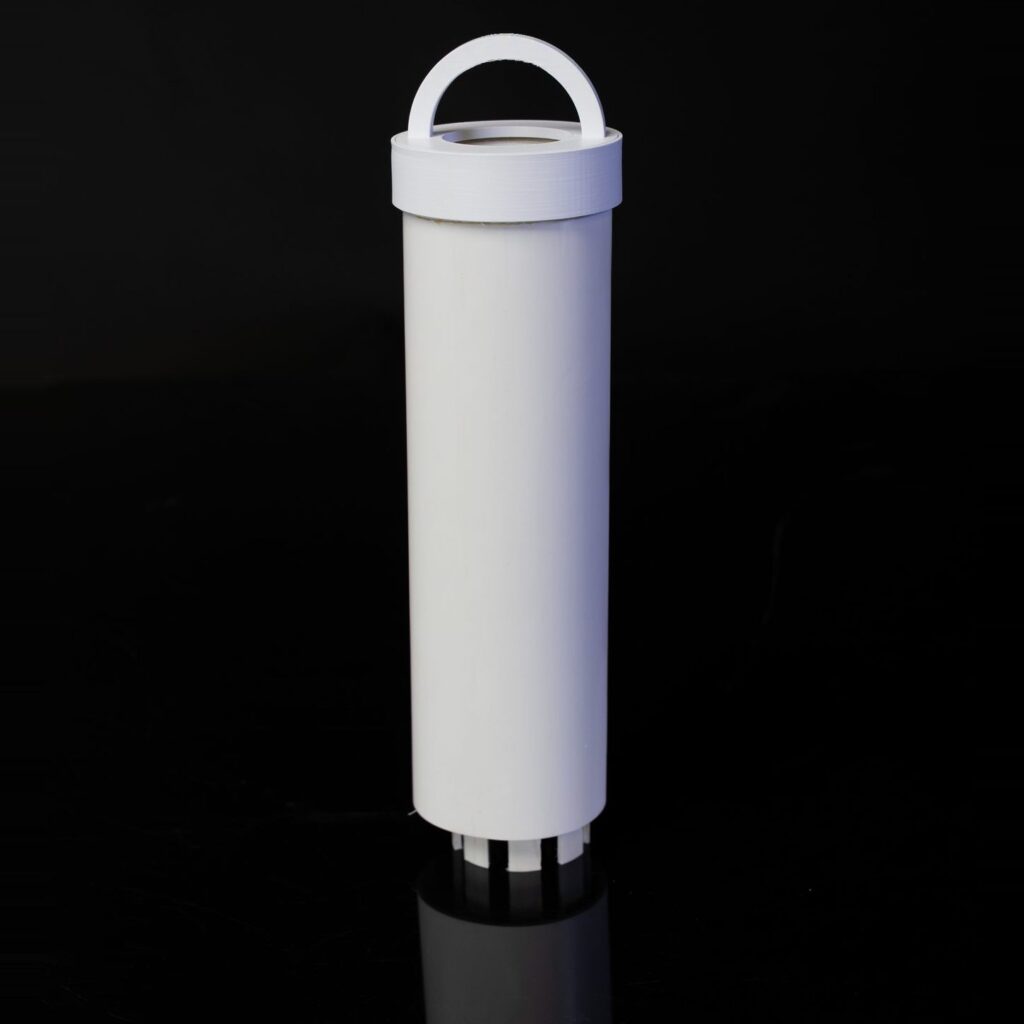
12″ Double Bell Siphon
Pricing Coming Soon
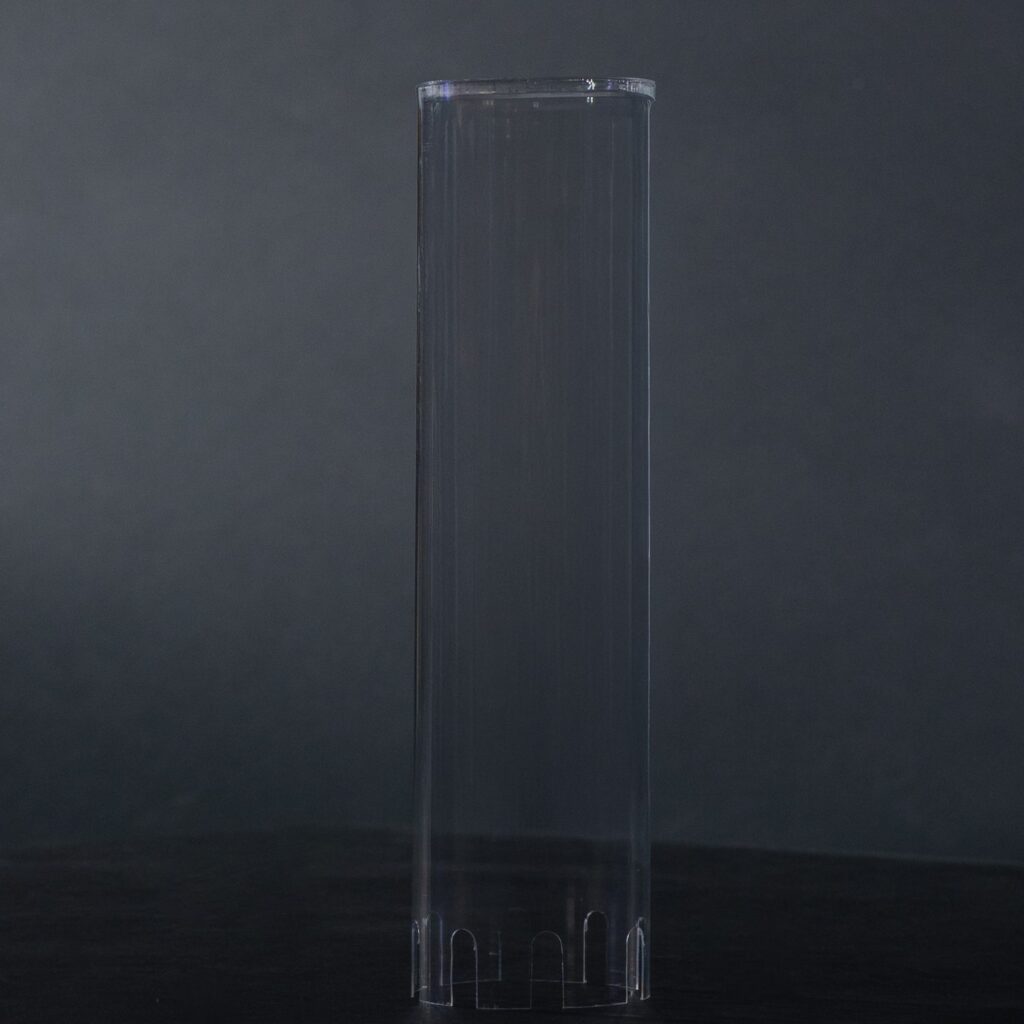
Clear Demo Bell Siphon
Pricing Coming Soon