If you’ve never heard of aquaponics, here’s the short version: you raise fish and grow plants in the same loop of water, and each one helps the other.
Two ideas in one
Hydroponics is growing plants in water instead of soil. Aquaculture is raising fish in tanks or ponds. Aquaponics combines the two into one closed system.
How the loop works
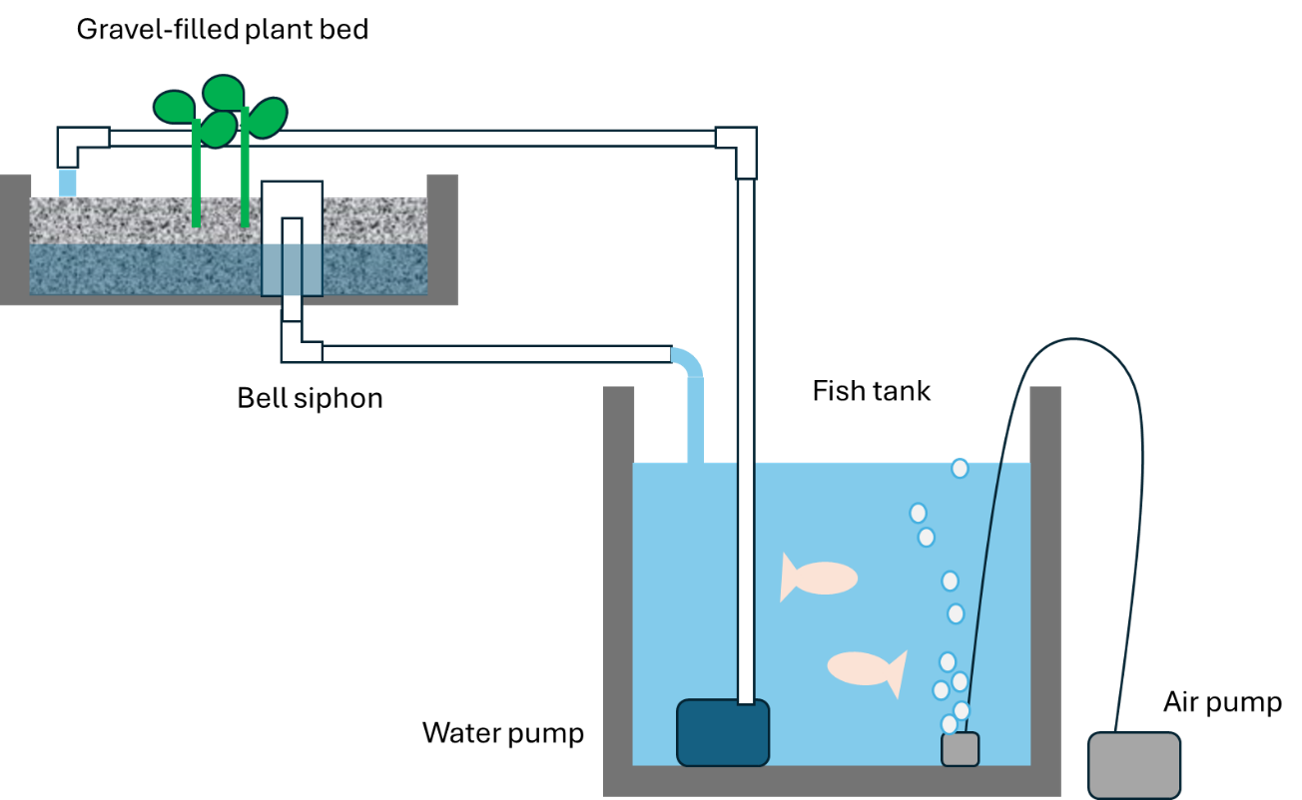
The fish produce waste, and that waste is basically fertilizer. The water carries it up to the plants, the plant roots soak up the nutrients, and that cleans the water. Then the clean water flows back down to the fish. Fish feed the plants, plants clean the water for the fish, and around it goes.
The four main parts
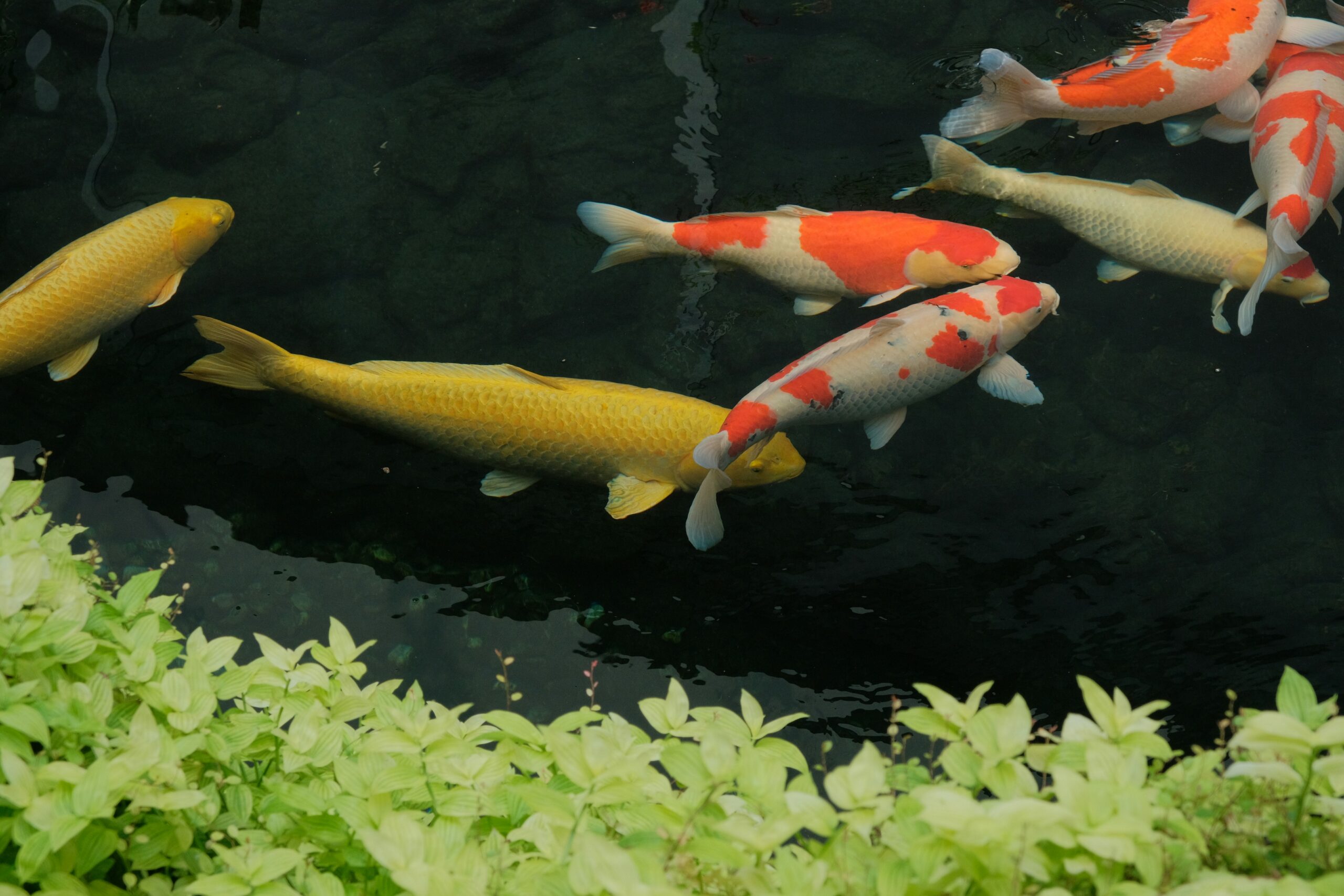
- Fish tank. Where the fish live and most of the water sits.
- Water pump. Sends a slow, steady stream up to the grow bed.
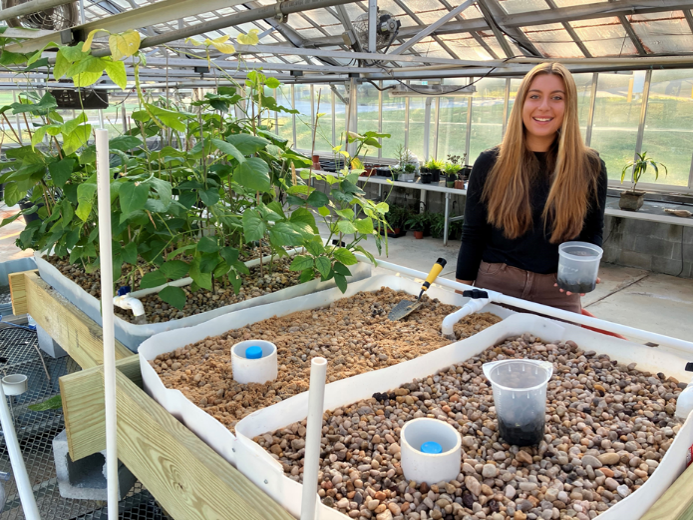
- Grow bed. Filled with gravel and set higher than the tank. This is where the plants grow.
- Bell siphon. Lets the bed fill up, then drains it back to the tank automatically.
Most people also add an air pump to keep oxygen in the fish tank.
Why people love it
Because the water keeps recirculating, you only need to top it off or change it now and then. That makes aquaponics one of the most water-efficient ways to grow food, and a great fit for dry places.
What it takes
It’s not hands-off, but it’s not a lot of work either. Plan on a few minutes a day to feed the fish and check that everything is flowing.
Up next
How a bell siphon works (and why it sometimes doesn’t)
The small part that floods and drains your grow bed all day with no timer or electricity, and what to do when it stalls.
Adapted with permission from Simple Backyard Aquaponics System by Dr. Bill Lovegrove, Bob Jones University.